
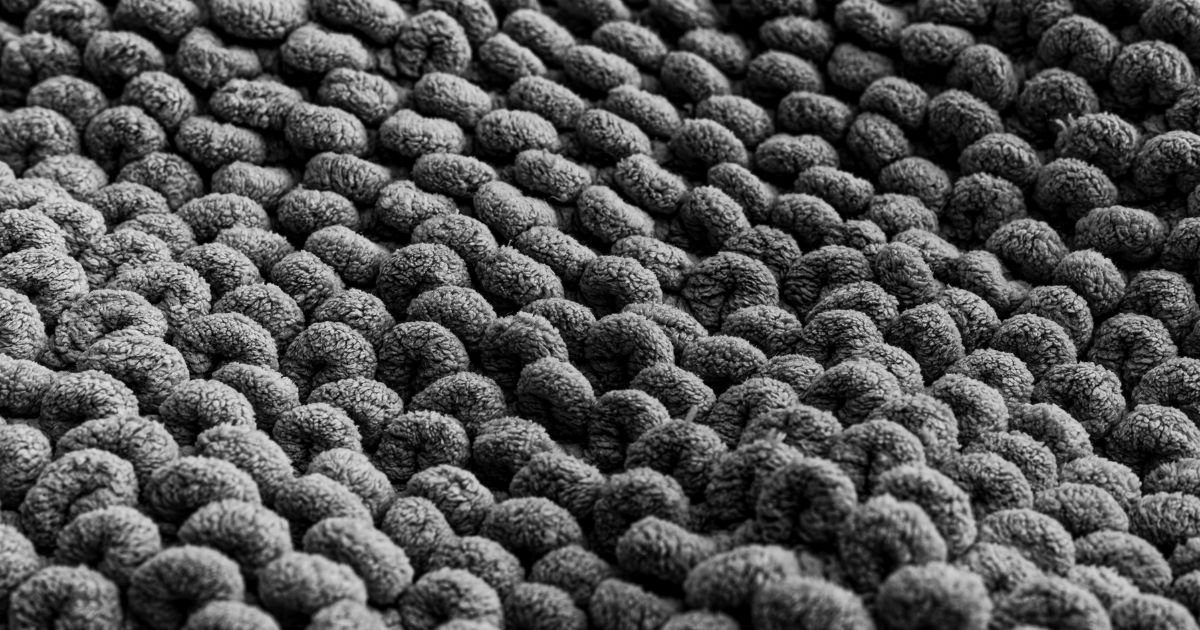
Chenille yarn is a textured yarn used when a textile product requires softness, volume and a distinctive surface effect. In B2B sourcing, the key decisions are yarn count, fibre composition, pile density, fabric construction and final application.
As a result, it is widely used in home textiles, including upholstery fabrics, curtains, cushions, blankets and decorative articles. JACOLI supports companies sourcing both Chenille yarns and Chenille fabrics through international supplier search, sample coordination, product development and quality control.
How Is Chenille Yarn Produced?
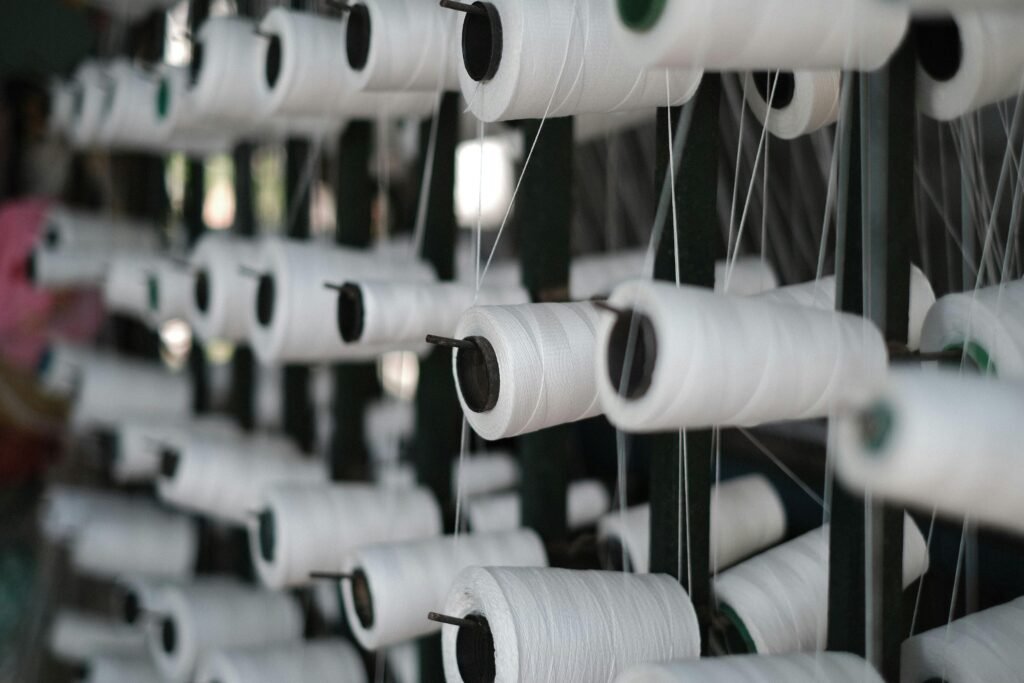
Producing chenille yarn requires a specialized construction method to achieve that signature soft and textured surface.
Specifically, manufacturers build it by combining a core yarn with a pile or effect yarn. The core acts as a stable foundation, holding the structure securely together. Meanwhile, the pile yarn forms the soft outer layer, delivering the volume and visual depth chenille is famous for. While specific machinery and raw materials change based on the final application, the core engineering principle stays consistent. The goal is always to construct a raised pile effect instead of a traditional linear profile.
Getting the exact right result means carefully controlling several key production variables:
- Core and pile yarn composition
- Chenille yarn count and twist level
- Pile length and overall yarn density
- Coloring techniques and dyeing methods
- The intended final fabric structure
Consequently, every single one of these factors directly impacts the hand feel, durability, appearance, and overall suitability of the yarn for any given textile project.
Common Raw Materials Used in Chenille Yarn
The fiber composition directly dictates how a chenille fabric will look, feel, and perform. Industry standards typically rely on four main options: cotton, viscose, polyester, and Tencel™ / Lyocell.
- Cotton: Known for its versatility and natural comfort. It is the ideal choice for developments demanding a softer, more organic touch.
- Viscose: Selected primarily for its exceptional drape and smooth surface. It gives the final fabric a highly fluid and elegant appearance.
- Polyester: The go-to option for sheer durability and dimensional stability. Its easy-care properties and high wear resistance make it a staple for upholstery and heavy-duty home textiles.
- Tencel™ / Lyocell: Perfect for high-end developments. It delivers a premium feel and a flawless finish suited for luxury market positioning.
Ultimately, selecting the exact raw material is never a generic decision. Instead, it requires balancing the target cost structure with specific technical requirements and expected product performance.
Chenille Yarn Count: From Nm 2/1 to Nm 13/1
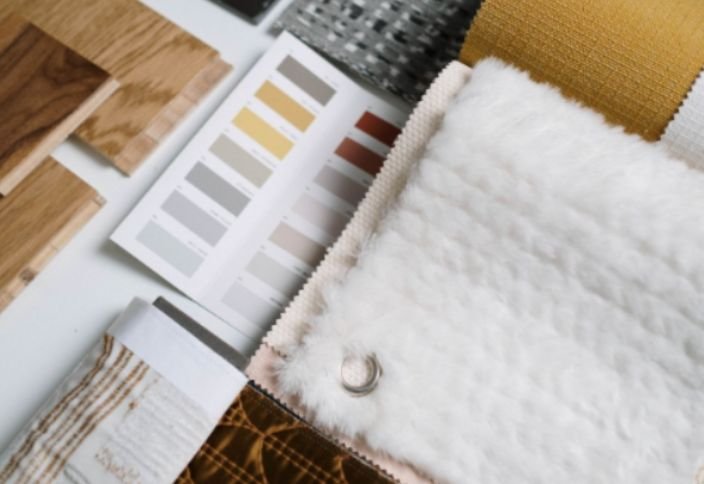
The chenille yarn count acts as a critical technical specification during the sourcing and product development phases.
In the market, these yarns typically range from Nm 2/1 to Nm 13/1. As a general industry rule, lower Nm values produce much thicker yarns, whereas higher Nm values translate to finer profiles. Heavyweight fabrics that require bold textures and prominent volume will naturally demand a thicker count. Conversely, lighter textiles or projects needing intricate design effects call for a finer yarn to maintain precise control over the textured surface.
Selecting the exact right count goes far beyond just looking at the visual appeal. Procurement teams must carefully evaluate several overlapping factors:
- Desired surface appearance and required softness
- Final fabric weight and overall construction
- Durability expectations and intended end use
- Target costs and production feasibility
Therefore, choosing a yarn count based solely on aesthetics is a frequent sourcing mistake. The chosen metric must always align flawlessly with the fabric structure and the rigorous technical requirements of the final product.
Knitted Chenille vs Woven Chenille
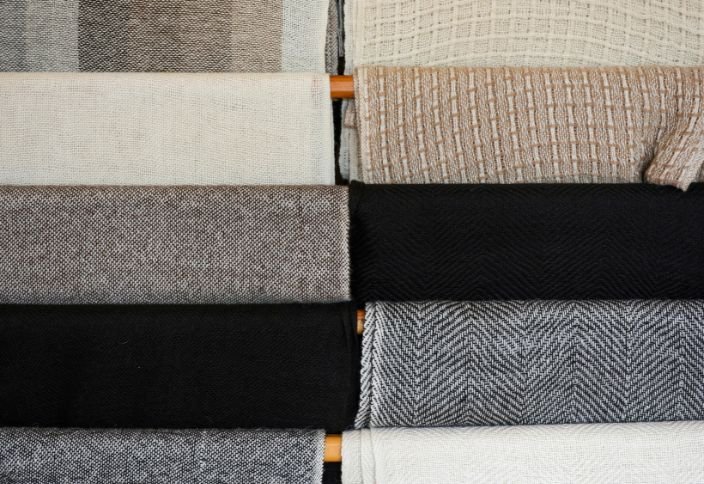
A major decision in any procurement strategy involves choosing between knitted and woven constructions. The production method drastically alters how the material behaves, performs, and looks in the real world.
Knitted chenille fabrics naturally offer softer, highly flexible structures. Manufacturers frequently choose this route for blankets, throws, and comfort-focused decorative items. To succeed in this format, the yarn must adapt smoothly to stitch formation while maintaining proper elasticity and dimensional behavior.
Conversely, woven chenille fabrics deliver a much more structured surface characterized by rich, deep textures. This robust profile makes them the standard choice for upholstery, curtains, cushions, and durable home textiles. The yarn selected for this specific process has to easily withstand the rigorous tension of weaving conditions.
Main Applications of Chenille in Home Textiles
Thanks to its signature volume and soft touch, chenille fabric remains a dominant material across the interior design and soft furnishing sectors.
Rather than just serving as a basic component, it brings immediate decorative value to a wide range of products. When we look at its core applications, its performance benefits become clear:
- Upholstery and Seating: It introduces crucial texture and long-lasting visual comfort to sofas, chairs, and decorative seating arrangements.
- Curtains and Window Treatments: The natural density of the yarn provides excellent drape, adding essential weight, depth, and a warmer aesthetic to any room.
- Cushions, Blankets, and Bedspreads: It delivers the unmatched softness and tactile appeal expected in premium bedding and cozy decorative accessories.
Key Sourcing Considerations for Companies
Instead of navigating a massive checklist of isolated factors, successful buyers group their sourcing requirements into three core areas:
- Technical and Aesthetic Specifications: Teams must clearly define the exact yarn count, fiber composition, fabric weight, and width. Visual and tactile elements like pile density, color consistency, and the overall hand feel are equally vital for product validation.
- Performance Metrics: The selected material must meet rigorous standards for abrasion resistance and dimensional stability. It must also be perfectly engineered for its specific knitted or woven application.
- Operational Variables: A viable project depends heavily on securing realistic minimum order quantities and manageable lead times. Furthermore, buyers need to establish a strict sample approval process and verify all required textile certifications.
The ultimate goal for any B2B operation is to build a relationship with a strategic textile sourcing partner rather than just buying from a basic supplier. Navigating international markets introduces complex variables, including fluctuating production standards and shifting raw material availability. Consequently, having rigorous quality control requirements in place is the only way to guarantee a consistent and high-quality final result.
How JACOLI Can Support Chenille Yarn and Fabric Sourcing
Navigating the complexities of international textile sourcing requires more than just a basic supplier list. JACOLI actively assists businesses by identifying qualified manufacturers, comparing viable product options, and managing the entire procurement cycle from the initial request straight through to final delivery.
Utilizing our extensive background in sourcing, procurement, product development, and quality control, we help clients secure the exact chenille yarns and chenille fabrics demanded by their specific technical and commercial requirements.
Backed by years of international sourcing experience, JACOLI partners with textile companies, importers, distributors, and global brands. When it comes to complex chenille developments, we guide your team in evaluating the ideal chenille yarn count, raw material selection, and fabric structure to guarantee the best possible sourcing conditions for your project.
Conclusion
There is a clear reason why chenille yarn continues to hold a prominent place in modern textile sourcing. Very few materials can match its unique combination of exceptional softness, impressive volume, and striking visual identity.
Choosing the wrong specification can easily compromise your entire development. That is exactly where JACOLI steps in. We actively support businesses looking for reliable chenille yarn sourcing and chenille fabric sourcing solutions. By combining rigorous international supplier searches with dedicated product development and strict quality control, we ensure your next textile project is a complete success
Frequently Asked Questions About Chenille Yarn
It is a specialized textured yarn easily recognized by its plush, velvety surface. Textile developers choose it specifically for projects where distinct visual volume and a soft hand feel are strict requirements.
The manufacturing process involves twisting a strong core yarn together with a soft pile yarn. This specific engineering holds the fiber securely in place while creating the raised, textured profile the material is famous for.
You will find it primarily throughout the home textile industry. Its natural density and rich aesthetics make it a standard choice for upholstery, heavy curtains, cushions, and premium blankets.
Most commercial production relies on cotton, viscose, polyester, or Tencel™ / Lyocell. Selecting the right fiber composition depends entirely on your target cost, required durability, and desired market positioning.
The production method dictates the final performance. Knitted chenille creates a flexible, highly adaptable structure ideal for soft throws. Woven chenille delivers a much stiffer, stable base necessary to withstand the daily wear and high tension of furniture upholstery.
Absolutely. We manage the entire supply chain for B2B clients. From conducting the initial international supplier search to overseeing product development, strict quality control, and final order delivery, JACOLI ensures your textile procurement runs efficiently.